


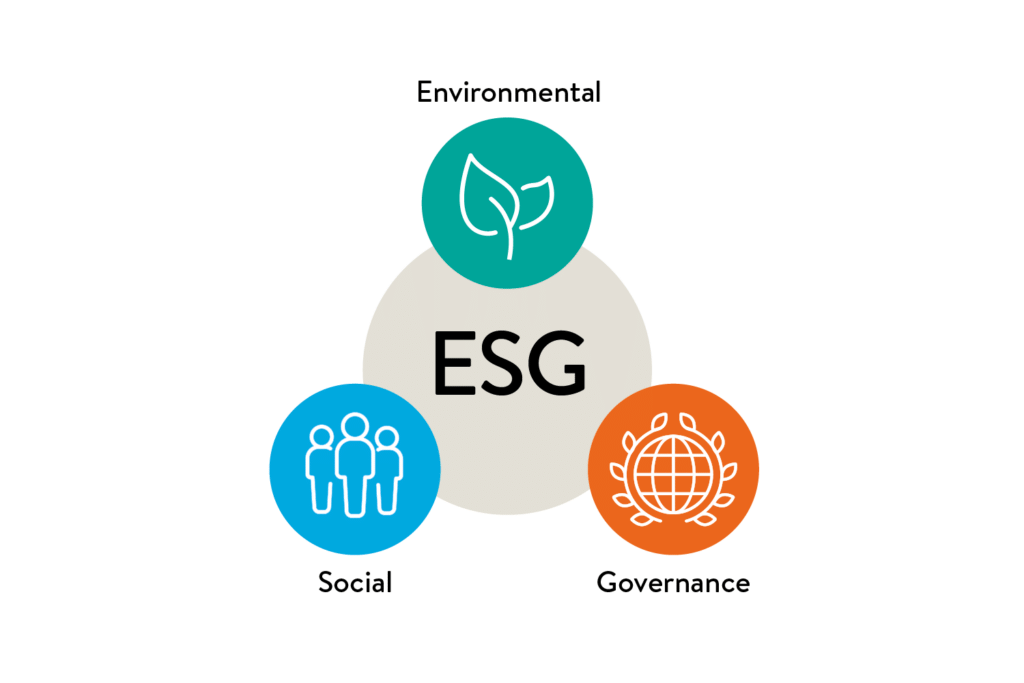
How can ESG become part of corporate culture?
A company announces a sustainability strategy with clear ESG goals, endorsed by its leadership team and communicated to all employees. Yet, after some time, many employees still struggle to understand how these commitments relate to their daily responsibilities or where they can begin contributing.
This hypothetical scenario highlights a common challenge in ESG implementation: How can leadership-level commitments translate into awareness and meaningful action across the entire organization?
According to the Vietnam ESG Practitioner Dialogue 2026 report, initiated by Ipsos Vietnam and Dear Our Community, only about one-third of the 50 ESG practitioners surveyed held dedicated ESG positions, while most of the others managed ESG responsibilities alongside other roles. The report also identified employee engagement as one of the key ESG priorities for businesses.
These findings highlight the importance of cross-functional participation in building an ESG-driven corporate culture. After all, improvements in resource efficiency, supplier selection, and waste management often begin with everyday decisions made by employees across different departments.
Recognizing this challenge, Choice has developed interactive CSR/ESG training programs that connect knowledge with hands-on experiences and practical action.
Rather than relying solely on traditional classroom sessions, Choice structures its training activities across three stages: before training, to spark curiosity and interest; during training, to encourage active participation and experiential learning; and after training, to support the continued application of knowledge in everyday work.
To date, Choice has trained more than 500 corporate employees, helping them strengthen their knowledge and skills in CSR and ESG. Beyond training programs for leaders and employees, Choice also organizes environmental education activities for employees’ families and children, including recycling workshops, green STEM activities, and nature exploration experiences. These initiatives help bring sustainability closer to everyday life, extending its relevance beyond the workplace.
Through these programs, one important lesson becomes clear: building an ESG-driven culture starts with helping employees understand their roles, creating opportunities for meaningful participation, and supporting them in gradually applying what they have learned to their work.
An ESG strategy can only become part of a company’s daily operations when employees understand how they can contribute and are empowered to take action.
Is your company looking for ways to make ESG more relevant and engaging for your employees? Explore Choice EMPOWER, our CSR/ESG training program, and discover solutions tailored to your team’s needs!
Source: The LEADER